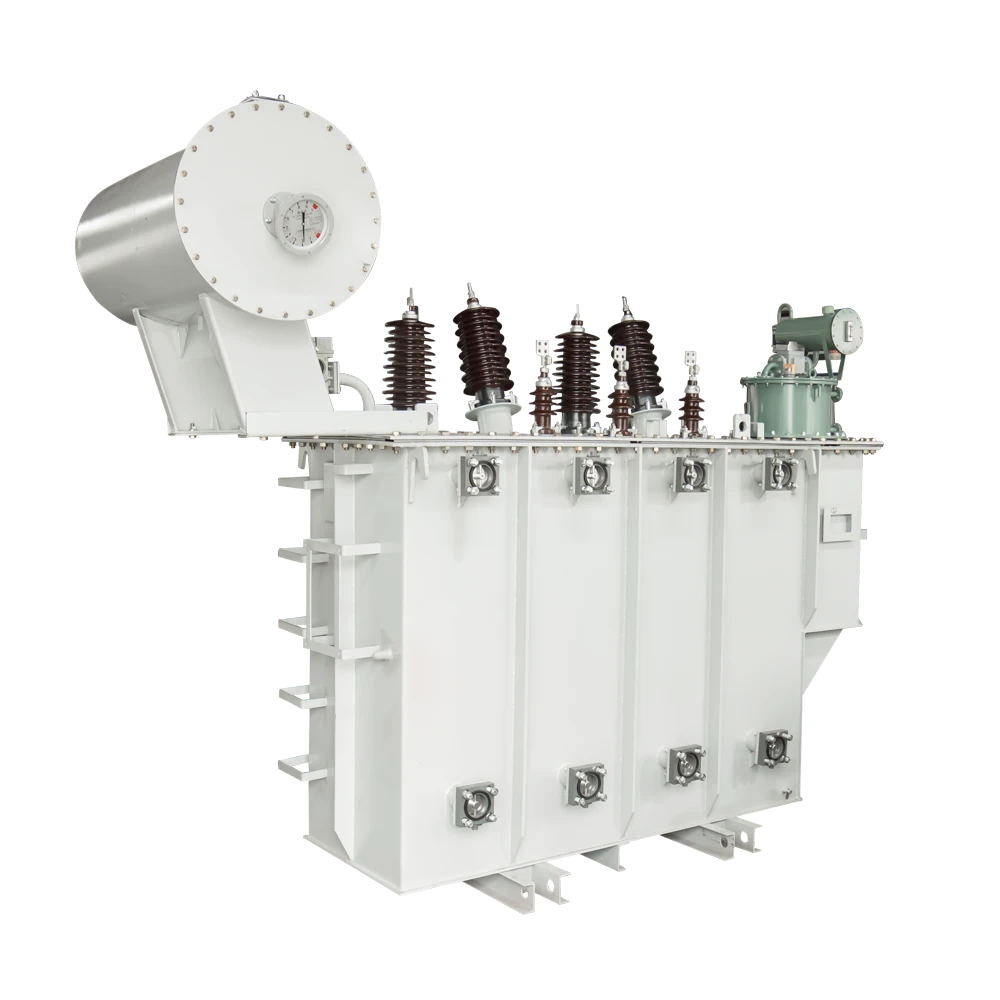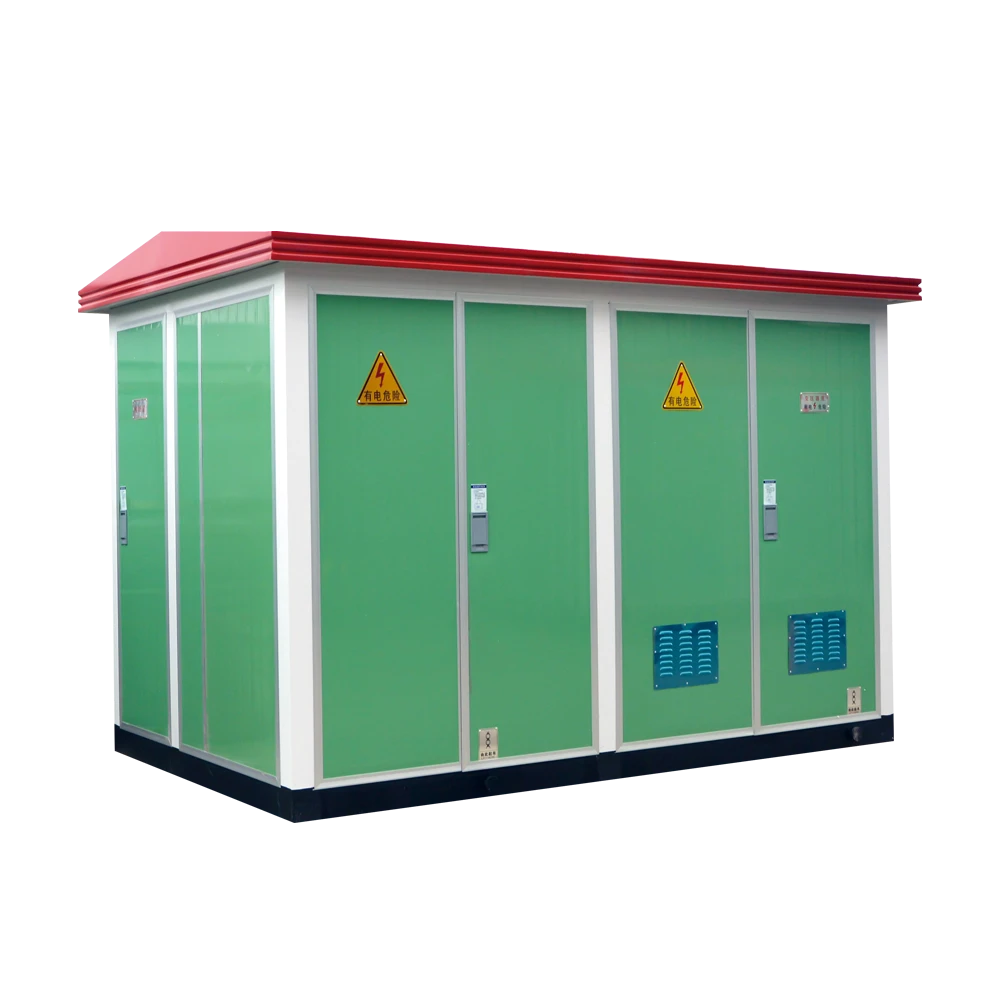

Transformer Overheating: 7 Causes & Step-by-Step Troubleshooting Guide
How to identify why a transformer runs hot, diagnose the fault in order, and know when a unit needs professional service.
A transformer overheats when the heat generated inside it rises faster than the cooling system can remove it. The seven most common causes are overloading, poor ventilation, harmonic currents, low or degraded oil, loose or corroded connections, failing cooling equipment, and ambient heat. Troubleshooting works best in a fixed order: confirm the real temperature, check the load, inspect cooling and oil, then move to connections and internal faults. Catch it early and most overheating is reversible; ignore it and insulation ages fast, cutting years off the transformer's life.
Why a hot transformer is worth taking seriously
Temperature is the single biggest factor in how long a transformer lasts. The insulation around the windings ages with heat, and the relationship is steep — every sustained rise of roughly 8°C above the design limit tends to halve the expected insulation life. A unit built to run for decades can lose years of service from a few months of quiet overheating that nobody acted on.
The difficulty is that overheating rarely announces itself. There is no spark and no alarm until something has already degraded. What there is, instead, is a pattern of small signals: a warmer-than-usual tank, a faint varnish smell, a cooling fan that no longer kicks in, oil that has darkened. Reading those signals in the right order is what separates a cheap fix from a replacement.
The 7 causes of transformer overheating at a glance
Before diving into each one, this table maps every common cause to the warning sign it produces and how urgent it typically is. Use it as a quick triage reference.
| # | Cause | Typical warning sign | Usual fix | Urgency |
|---|---|---|---|---|
| 1 | Overloading | Temperature climbs with demand peaks | Rebalance or shed load | High |
| 2 | Poor ventilation | Hot room, blocked louvres | Clear airflow, add cooling | Medium |
| 3 | Harmonic currents | Hot despite normal load reading | Filter or derate | Medium |
| 4 | Low or degraded oil | Dark oil, low level, gas alarm | Top up, filter or replace oil | High |
| 5 | Loose / corroded connections | Localised hot spot at terminals | Clean and re-torque | High |
| 6 | Failed cooling equipment | Fans or pumps not running | Repair fans, pumps, radiators | Medium |
| 7 | High ambient temperature | Hot even at light load | Shade, ventilate, derate | Low |
Each cause, explained
Overloading
Drawing more current than the nameplate rating is the most frequent reason a transformer runs hot. Copper losses rise with the square of the load, so a unit pushed well past its rating heats disproportionately fast. This often creeps in as a site expands and new equipment is added to a transformer that was sized for the original demand.
Tells: temperature that tracks the daily demand curve, and a load reading at or above the rated kVA during peaks.
Poor ventilation
A transformer sheds heat into the air around it. When that air cannot move — a cramped vault, blocked intake louvres, dust-caked radiators, or a unit boxed in by stored material — heat simply builds. The transformer may be perfectly healthy; its surroundings are the fault.
Tells: a hot enclosure or room, obstructed vents, and surface temperatures that fall quickly once airflow is restored.
Harmonic currents
Non-linear loads — variable-speed drives, rectifiers, LED banks, server rooms — inject harmonic currents that heat the windings far more than their magnitude suggests. The result is a transformer that overheats while the basic load reading still looks acceptable, which makes this cause easy to miss.
Tells: unexplained heat under moderate load, and a non-linear load mix downstream.
Low or degraded oil
In oil-immersed units the oil both insulates and carries heat away. A low level, moisture ingress, or oil that has oxidised and darkened all cut its ability to cool. Degraded oil is doubly dangerous because it signals that heat and ageing are already well under way inside the tank.
Tells: low sight-glass level, dark or cloudy oil, or a dissolved-gas alarm.
Loose or corroded connections
A slack bolt or corroded terminal adds resistance exactly where current is highest, creating a concentrated hot spot that can glow far hotter than the rest of the unit. Left alone, it is a classic path to an arc fault. This is where a thermal-imaging scan earns its keep.
Tells: one localised hot point at a terminal or busbar, often with discolouration or a faint burnt smell.
Failed cooling equipment
Larger transformers rely on fans, oil pumps, and radiators. When a fan motor seizes, a pump stalls, or control logic stops calling for cooling, the transformer loses its margin and temperature climbs under loads it used to handle comfortably.
Tells: fans or pumps that stay off when they should run, and heat that appears only above a certain load.
High ambient temperature
Every transformer is rated against an assumed ambient. Direct sun on an outdoor tank, a hot industrial hall, or a desert climate all raise the baseline the cooling system starts from, so the unit runs hot even at modest load. The fix is environmental rather than electrical.
Tells: elevated temperature that persists even when the load is light.
Step-by-step troubleshooting
Work through these in sequence. Each step either resolves the problem or safely narrows it down, so you never jump to an internal fault before the simple causes are cleared.
-
Confirm the temperature is really abnormal
Read the top-oil and winding temperature gauges, then compare against the nameplate rise and the ambient. A transformer is supposed to be warm — establish that it is genuinely over limit before acting, and note the exact figures as your baseline.
-
Check the load against the rating
Measure the actual current and compare it to the rated kVA. If the unit is at or over rating during peaks, overloading is your answer — rebalance phases, shed non-critical load, or plan for a higher-rated unit.
-
Inspect ventilation and ambient
Clear blocked louvres, clean dust from radiators, remove anything crowding the unit, and check the room or enclosure temperature. Restoring airflow is the cheapest fix and resolves a surprising share of cases.
-
Verify the cooling system is working
Confirm fans spin, pumps circulate, and the cooling controls actually engage at the right temperature. Replace any failed fan motor or pump and check the control thermostat.
-
Check oil level and condition
On oil-immersed units, read the level and look at colour and clarity. Top up correct oil, filter it, or schedule a dissolved-gas analysis if the oil is dark or an alarm has tripped.
-
Scan connections with a thermal camera
Under load, image the terminals and busbars. A single bright hot spot points to a loose or corroded joint — de-energise, clean, and re-torque to spec, then re-scan to confirm it is gone.
-
Look for harmonics and internal faults
If load, cooling, oil, and connections are all healthy but the unit still runs hot, measure for harmonic distortion downstream and review DGA results for signs of an internal winding or core problem. This is the point to bring in the manufacturer.
Safe temperature reference
Use these general reference bands to judge severity. Always defer to the values on your own nameplate and insulation class, but this gives a working sense of where a reading sits.
| Reading band | What it generally means | Action |
|---|---|---|
| Within rated rise | Normal operation for the load | Monitor as usual |
| Slightly above rise | Early stress — load or cooling margin thinning | Investigate within days |
| Well above rise | Accelerated insulation ageing under way | Act now — reduce load, find cause |
| Approaching insulation limit | Risk of imminent damage or trip | De-load or shut down; call service |
When the fault is inside the tank, bring in HAOCHENG
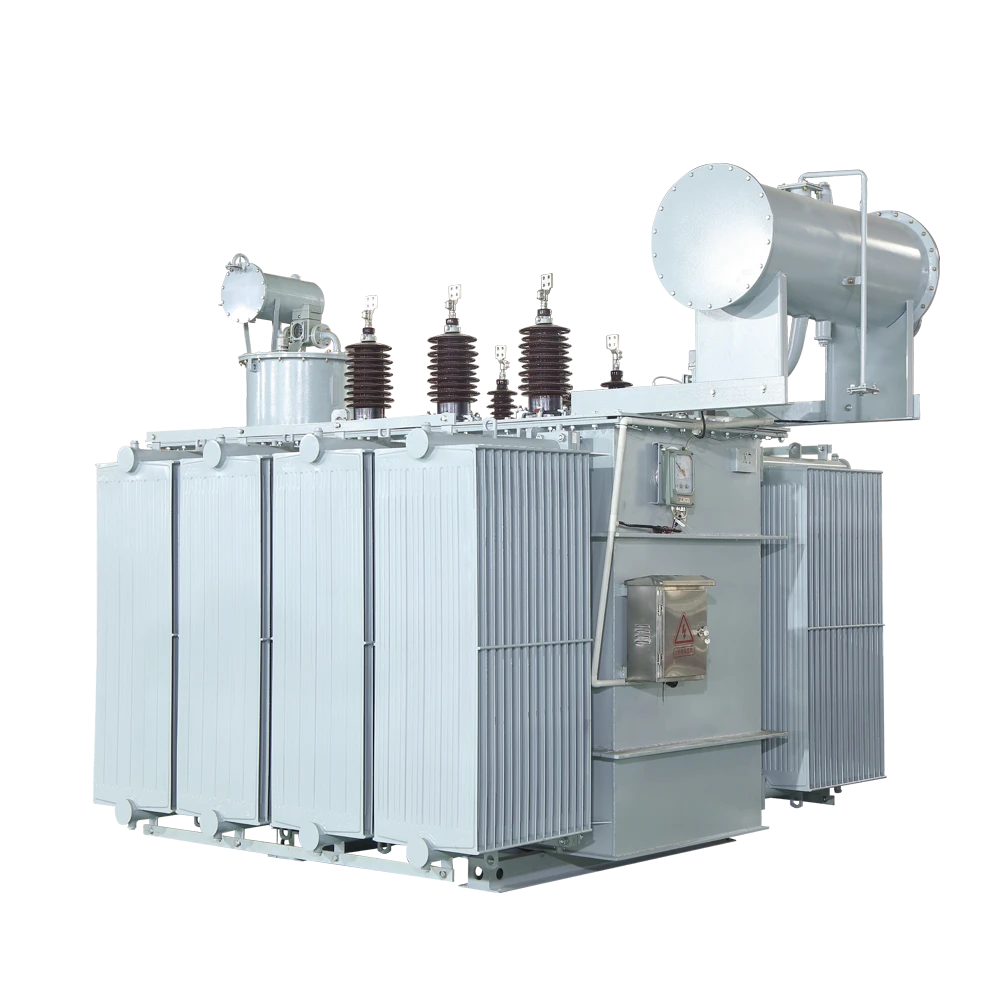
Steps 1 through 6 are field-serviceable. An internal winding, core, or insulation fault is not — and that is where manufacturer support matters. Shanghai Haocheng Electrical Equipment Co., Ltd. has built and serviced high- and low-voltage power equipment since 2010, from a 20,000 m² production base in Yueqing, Zhejiang, as a qualified core supplier to the State Grid Corporation of China. Its transformer range covers oil-immersed, dry-type, pad-mounted, compact-substation, solar-box, and inverter-duty units, all built to IEC and GB standards.
Haocheng's global service covers diagnosis support, dissolved-gas and insulation testing guidance, replacement cooling and tap-changer components, and full repair or like-for-like replacement for projects already running in Saudi Arabia, Vietnam, Europe, North America, and China. Overheating that traces back to design, loading, or an internal fault can be reviewed directly with the engineering team.
Talk to a HAOCHENG transformer engineer →
Contact: shhacn@haochengcompany.com · +86 159 5190 9762 · No. 3777 Tingwei Road, Jinshan District, Shanghai, China
Frequently asked questions
What is the most common cause of transformer overheating?
Overloading is the most common cause. When a transformer draws more current than its rated capacity, internal copper losses rise sharply and heat builds faster than the cooling system can remove it. It often appears gradually as a site adds equipment to a transformer that was sized for lower demand.
Can a transformer recover after overheating, or is the damage permanent?
It depends on how long and how severely it ran hot. Brief overheating caught early — from a blocked vent, a stalled fan, or a temporary overload — is usually fully reversible once the cause is removed. Sustained overheating permanently ages the insulation and cannot be undone; it shortens the transformer's remaining life even after temperatures return to normal.
How hot is too hot for a transformer?
There is no single number, because limits depend on the insulation class and rated temperature rise on the nameplate. As a rule, a reading within the rated rise is normal, moderately above it signals stress, and a reading approaching the insulation limit calls for immediate de-loading or shutdown. Roughly every 8°C of sustained excess heat halves insulation life.
Why does my transformer overheat even when it is not fully loaded?
Three causes produce heat at normal or light load: harmonic currents from non-linear equipment, a high ambient temperature or poor ventilation around the unit, and a loose or corroded connection creating a localised hot spot. A thermal-imaging scan quickly separates a connection hot spot from a general temperature rise.
When should I call a professional instead of fixing it myself?
Field causes — overloading, ventilation, cooling equipment, oil level, and connections — can be addressed on site by qualified staff. Call the manufacturer or a service provider when the oil shows a dissolved-gas alarm, when testing points to an internal winding or core fault, or when the unit keeps overheating after every field cause has been cleared. A manufacturer such as Haocheng can support diagnosis, supply components, or arrange repair or replacement.