How We Reduced Power Transformer Lead Time to 12 Weeks (And How to Order Fast)
If you are a procurement manager buying power transformers today, the question that matters most is no longer “What’s the price?” It’s “When can you deliver?”
Grid modernization, renewable interconnections, industrial expansion and the rapid growth of AI data centers are all drawing on the same limited transformer supply. In North America and Europe, many domestic manufacturers are fully booked, and quoted lead times often run well beyond a year. When energization dates are tied to contracts, financing or penalties, that wait can derail an entire project.
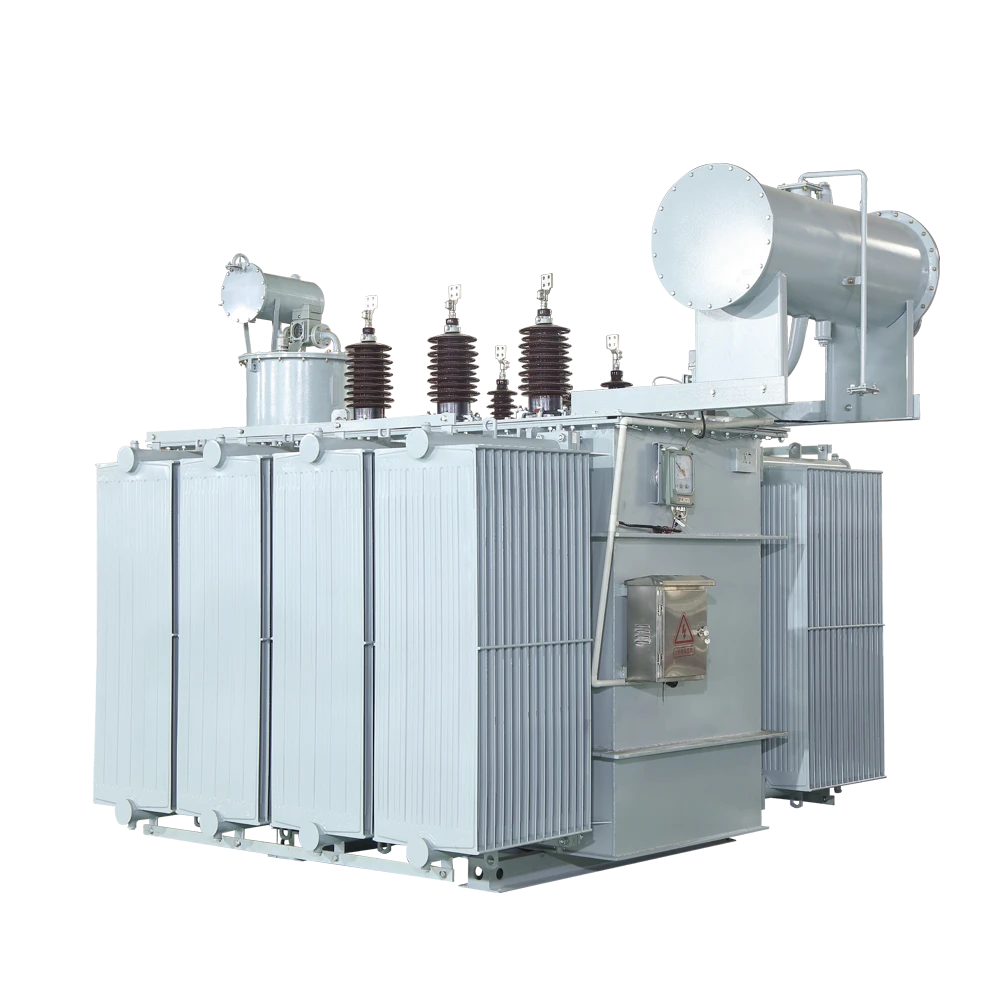
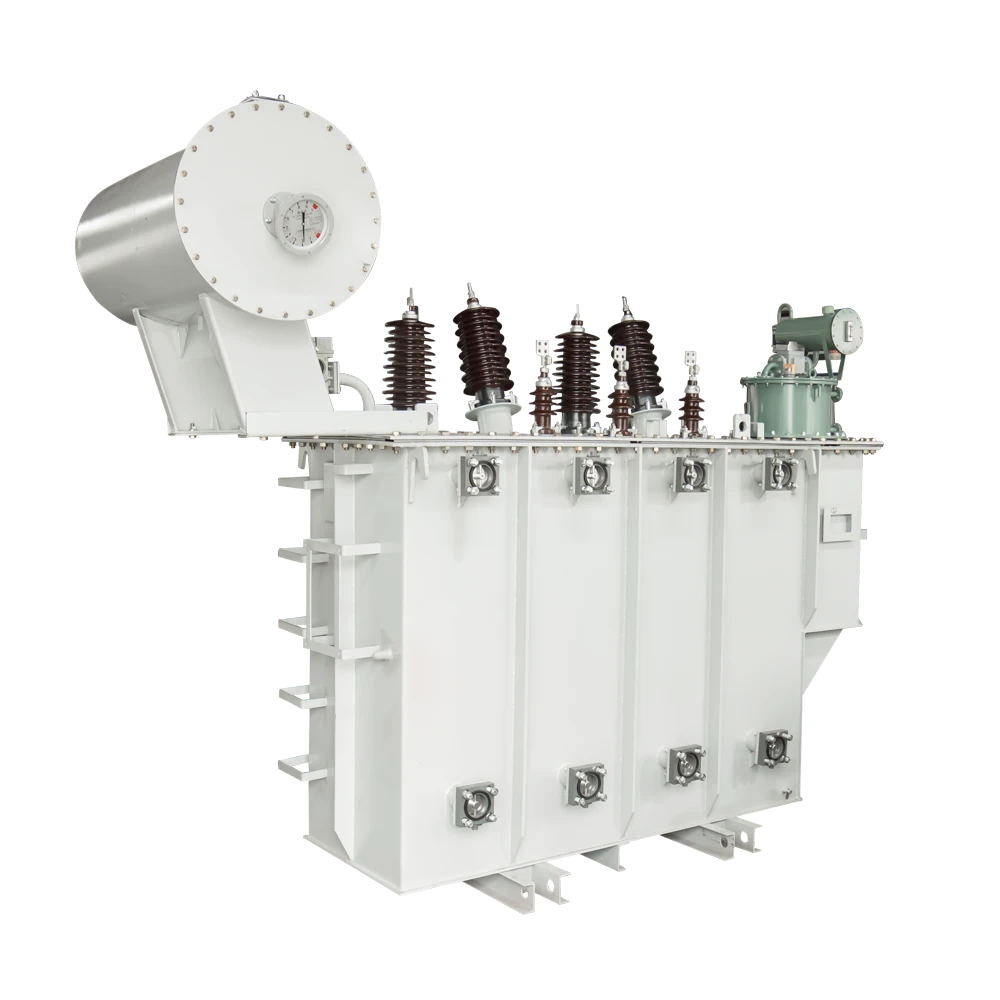
At Haocheng Power Transformer, we rebuilt our production and ordering process around one goal: shorter, predictable delivery. For our core range of oil-immersed power transformers from 10 MVA to 100 MVA, up to 132 kV, we now deliver in as little as 12 weeks. Here is how, and how you can order fast.
Why Lead Times Have Become So Long
Knowing where the bottleneck sits helps you avoid it.
- Demand surge. Utility upgrades, aging-asset replacement, renewables and data center build-outs compete for the same capacity.
- Raw material constraints. Grain-oriented electrical steel (GOES), copper and quality insulation materials are limited and allocated to existing contracts first.
- Full factory schedules. Winding, core stacking, tanking and testing capacity is booked months or years ahead.
- Late specification changes. Many delays come from slow design approvals and technical back-and-forth, not from manufacturing itself.
| Factor | Typical constrained supplier | Haocheng approach |
|---|---|---|
| Raw materials | Ordered after contract signing | Framework agreements and strategic stock |
| Design | Blank-sheet engineering per order | Validated standard platforms |
| Production | Sequential stages | Core, windings and tank built in parallel |
| Testing | Queue for external labs | In-house test bay |
| Logistics | Planned after testing | Booked during production |
How We Got to 12 Weeks

1. Secured material supply in advance
We keep framework agreements and strategic stock for core materials, including electrical steel, copper, bushings and tap changers. Material shortages are one of the biggest sources of delay, and for standard configurations we have taken them off the critical path.
2. Standardized platform designs
Instead of treating every order as a blank-sheet design, we offer validated platforms for common ratings and voltage classes. Engineering time drops from weeks to days, and proven, type-tested designs carry less technical risk.
3. Parallel production flow
Core, windings, tank and accessories are built at the same time, not one after another. This removes the waiting between stages that quietly adds weeks to a schedule.
4. Faster engineering approval
A dedicated project engineer is assigned to every order. Drawings and technical documents are issued quickly so production can start without waiting for sign-off.
5. In-house testing and quality control
Routine tests, and type or special tests where required, are performed at our own facility according to IEC 60076 or IEEE C57 as specified. This avoids third-party lab queues. Customers can witness tests in person or remotely.
6. Logistics planned from day one
Packaging, export documents, ocean or inland transport and port handling are planned alongside production, so the unit leaves the factory soon after final testing.
The 12-Week Production Timeline
This is a typical schedule for a standard-platform unit with a complete specification received at order. Actual timing depends on rating, configuration and slot availability.
| Week | Milestone | What happens |
|---|---|---|
| 0 | Order and specification freeze | Technical review, project engineer assigned, production slot confirmed |
| 1–2 | Drawing approval and material release | Customer approves drawings; core steel, copper and components released |
| 2–8 | Parallel manufacturing | Core stacking, winding and tank fabrication run at the same time |
| 8–10 | Assembly, drying and oil filling | Active part assembly, vapor-phase or vacuum drying, tanking |
| 10–11 | Factory testing | Routine tests; customer witness in person or remote |
| 11–12 | Packing and shipment readiness | Export packing, documents and cargo handover |
How to Order Fast: A Buyer’s Checklist
Even with a fast supplier, your own preparation decides when the clock starts. These steps can save you weeks.
- Send a complete specification at the start. Include rated power, voltage ratio, vector group, impedance, cooling type, tap changer, insulation level, applicable standards and site conditions (altitude, temperature, noise limits).
- Choose proven configurations where possible. Standard designs ship faster than highly customized ones. If a special requirement isn’t essential, ask whether a standard alternative meets the need.
- Decide accessories early. Bushings, monitoring systems, oil type and protection devices are common causes of late changes.
- Prepare your approval workflow. Name the reviewers and agree a drawing turnaround time up front.
- Confirm documentation and certification needs. Tell us which test reports, certificates and inspections apply before production begins.
- Lock in a production slot early. Reserving capacity at the quotation stage is often the difference between 12 weeks and a much longer wait.
- Plan the delivery site. Confirm unloading, foundation readiness and access routes so the unit can be installed on arrival.
Case Study: Keeping a Data Center Energization Date on Track

The challenge
A developer building a data center campus in North America needed two 40 MVA, 132/33 kV power transformers to meet a fixed energization date. Local suppliers quoted delivery far beyond the grid connection deadline, and every month of delay meant postponed revenue and potential penalties.
What we did
- Specification review in 48 hours. The complete specification was confirmed within two days, and one non-essential custom requirement that would have added weeks was replaced with a standard alternative.
- Standard platform design. The units used our validated 40 MVA platform, cutting engineering time.
- Materials already secured. Core steel, copper and bushings came from framework supply, so production started right after order confirmation.
- Parallel production and in-house testing. Routine tests were completed in our own test bay with remote customer witnessing.
- Logistics booked in advance. Shipping and export documents were arranged during production.
The result
- Factory testing completed in week 10, shipment in week 11
- Delivery well ahead of the lead times quoted by local suppliers
- The customer kept its energization schedule
Why Buyers Choose Haocheng Power Transformer
- Delivery as short as 12 weeks for 10–100 MVA oil-immersed units up to 132 kV
- Verifiable quality: testing to IEC 60076 or IEEE C57, with customer witnessing available
- Responsive technical support across time zones
- Transparent scheduling: milestone timeline from order to shipment with regular progress updates
- Project experience in data centers, renewables and utility substations
Frequently Asked Questions
How long does it take to get a power transformer?
Why are power transformer lead times so long right now?
What information do you need to give an accurate lead time?
Does the 12-week lead time include shipping?
Can I customize a transformer and still get fast delivery?
Which standards do your transformers comply with?
Can I witness factory testing?
How can I secure a production slot quickly?
Get Your Delivery Date
If your project can’t afford a multi-year wait, send us your specifications. We’ll reply with a technical proposal and confirmed lead time within 24–48 hours.
Request a Quote Email Our Engineers