Dry-Type vs. Oil-Immersed Transformers: 7 Critical Selection Factors
Both types will step voltage up or down just fine. What separates a smooth installation from a code rejection, a maintenance headache, or an environmental liability is whether you matched the transformer to the site — not just the load.
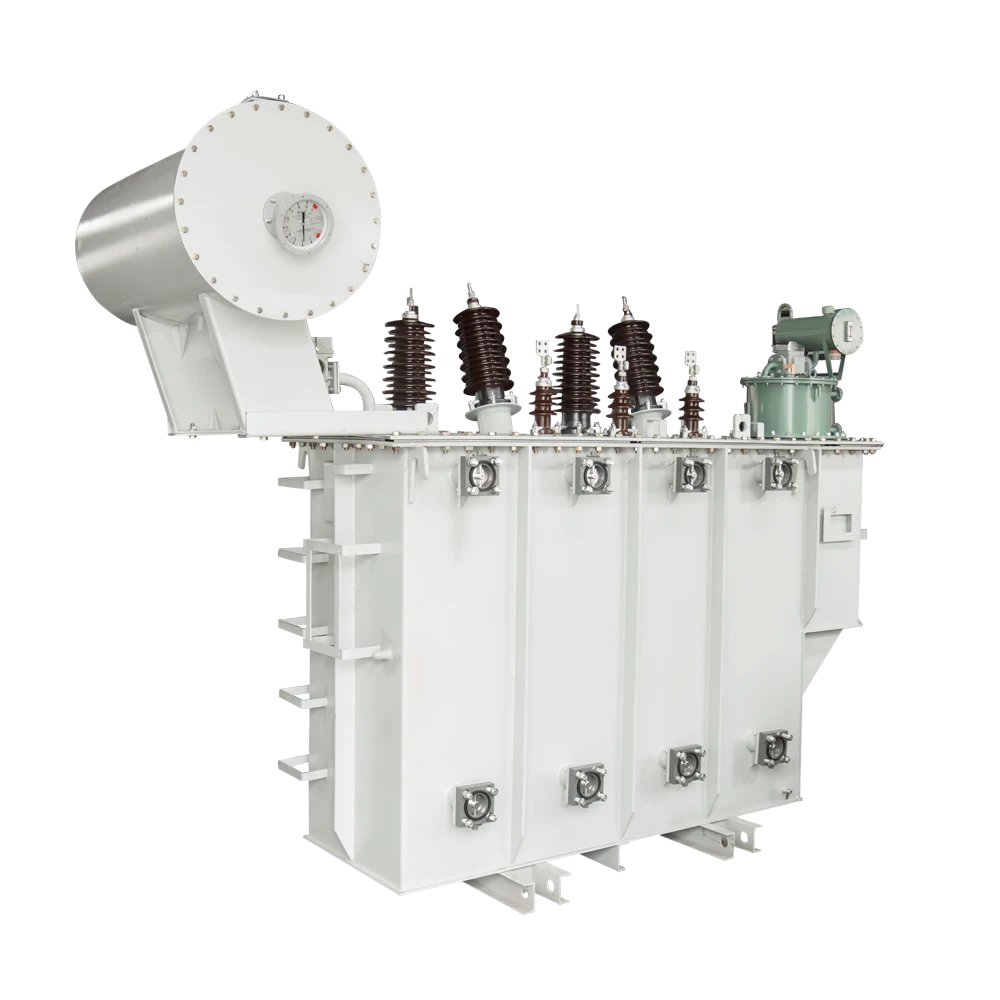
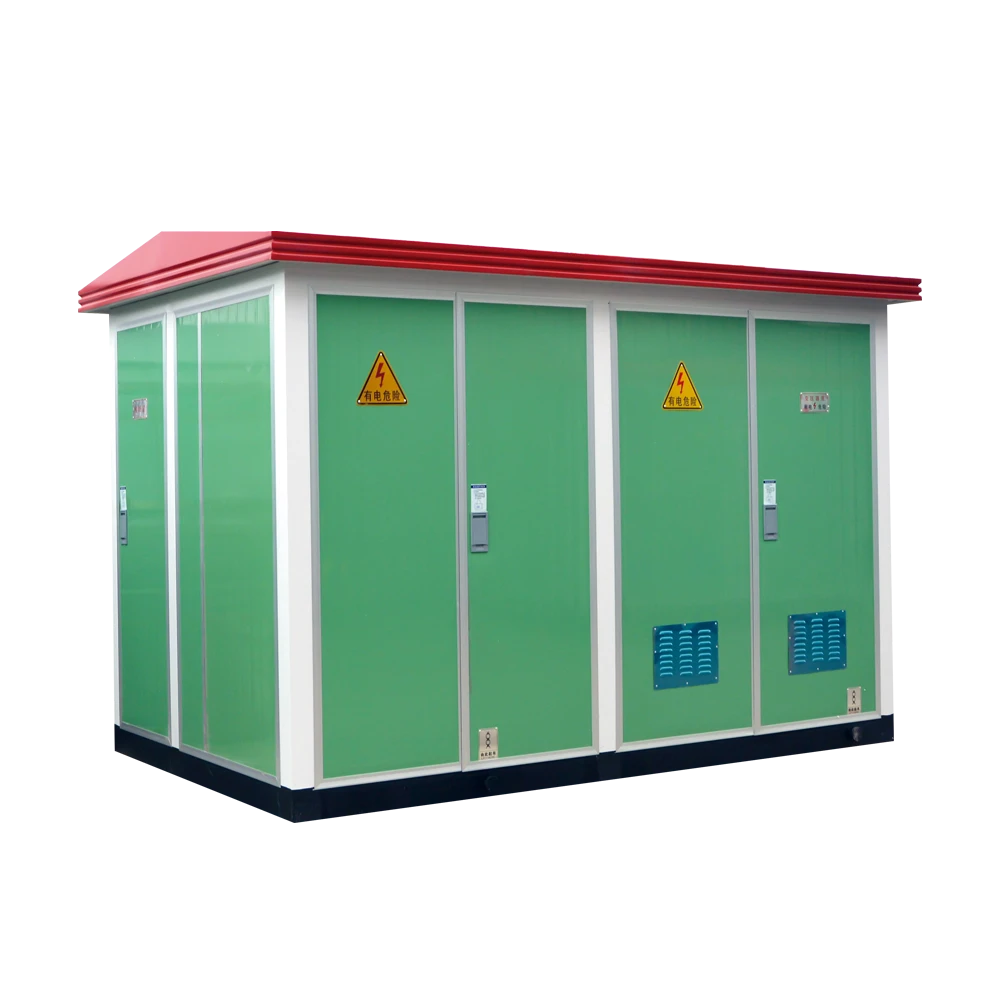
Dry-type units cool with air or resin; oil-immersed units cool and insulate with mineral oil or synthetic ester fluid.
Dry-type transformers use air or solid resin to cool and insulate the windings. Oil-immersed transformers use mineral oil or synthetic ester fluid for the same job. Dry-type is generally the default for indoor, occupied, or fire-sensitive locations; oil-immersed is generally the default for outdoor substations and higher-power service, where oil's cooling and dielectric performance allow a smaller, cheaper unit at the same rating. The seven factors below are what actually decide which one belongs on a given project.
The Numbers That Usually Decide It
The right comparison was never the transformer's sticker price. It's the installed cost — vault, containment, and maintenance staffing included — over 25-plus years of service.
The 7 Selection Factors
Work through these in order. The first two usually narrow the decision before cost even enters the conversation.
Most codes — the NEC being the obvious reference point — restrict or prohibit oil-filled transformers inside occupied buildings unless they sit in a fire-rated vault with drainage and suppression. Dry-type units are approved much closer to occupied space, including upper-floor electrical rooms, because there's no combustible liquid to contain.
Dry-type units are sensitive to humidity, dust, and contamination unless paired with a rated enclosure (NEMA 3R for outdoor exposure). Oil-immersed units are inherently more tolerant of harsh outdoor conditions since the windings sit sealed inside the tank — why utilities default to oil-filled equipment for pole- and pad-mounted service.
At the same kVA rating, oil-immersed is typically smaller and lighter, because oil dissipates heat and insulates more efficiently than air. Above a few thousand kVA, dry-type designs get bulkier and noticeably more expensive to manufacture — which is why almost all large substation transformers are oil-filled.
Oil-immersed units need periodic dissolved gas analysis, moisture, and dielectric testing — a recurring cost requiring trained staff or a contracted service. Dry-type maintenance is simpler: periodic cleaning, insulation resistance testing, and visual inspection, without fluid sampling or disposal.
A ruptured oil-filled transformer creates real liability — contaminated soil and groundwater risk, with cleanup that can run into the tens of thousands of dollars even for a moderate spill. Sites near waterways or under strict spill-containment rules often need secondary containment basins for oil units. Dry-type carries no fluid, so this risk simply doesn't apply.
Oil-immersed transformers generally run quieter at the same rating, since oil dampens core vibration better than air — worth factoring in near offices or living space. Oil-filled units also tolerate short-term overloads a bit more gracefully, since the oil absorbs heat spikes before winding temperatures climb. Dry-type units heat up faster under overload and depend more on ambient airflow.
Dry-type usually costs more per kVA upfront, especially at larger sizes — but that gap narrows or reverses once vault construction, containment, and fire suppression get added to an indoor oil-filled install. Oil-immersed tends to win on pure equipment cost at scale, particularly outdoors where none of the indoor safety requirements apply. Compare installed cost plus maintenance budget over a 25–35 year service life, not the sticker price alone.
Side-by-Side Comparison
A condensed view of the same seven factors, for quick reference during a design review.
| Factor | Dry-Type | Oil-Immersed |
|---|---|---|
| Indoor / Fire Code | Approved near occupied space; no vault typically required | Usually needs a fire-rated vault with drainage indoors |
| Outdoor Exposure | Needs a rated enclosure (e.g., NEMA 3R) for weather and dust | Inherently sealed and weather-tolerant |
| Footprint at Equal kVA | Larger and heavier, especially above a few thousand kVA | 40–50% smaller / lighter typical |
| Routine Maintenance | Cleaning, insulation resistance testing, visual inspection | Periodic oil testing (DGA, moisture, dielectric strength) |
| Spill / Environmental Risk | None — no fluid to contain | Requires containment in sensitive or regulated sites |
| Operating Noise | Slightly higher at equal rating | Generally quieter; oil dampens core vibration |
| Short-Term Overload | Heats up faster; depends on ambient airflow | Oil buffers heat spikes; more forgiving margin |
| Upfront Equipment Cost | Higher per kVA, especially at larger sizes | Lower per kVA at scale |
Figures are directional industry norms. Confirm exact ratings, enclosure classes, and code requirements against the applicable local standard and utility specification before finalizing a design.
Making the Call
In practice, most decisions come down to two questions asked in this order: where is the unit physically going, and what code applies there? If the answer is "indoors, near occupied space," dry-type is the default, and it takes a strong reason — usually a very high power rating — to justify the vault and containment cost of going with oil instead. If the answer is "outdoor substation or pad-mount service," oil-immersed is the default, and dry-type only makes sense where a specific environmental restriction drives the decision.
Indoors, Occupied Space
Default to dry-type. Confirm resin-cast insulation class and enclosure ventilation match the room's ambient temperature.
Outdoor Substation or Pad-Mount
Default to oil-immersed. Confirm containment sizing against local spill regulations before finalizing the pad.
Continuous or Variable Load
An amorphous alloy core cuts no-load losses substantially in either type — worth the premium on units that run near-continuously.
Uncertain Code Requirements
Check the local fire code and utility interconnection standard before pricing either option — the code often removes the choice entirely.
Amorphous Alloy Dry-Type Transformer
Resin-cast construction with an amorphous alloy core for reduced no-load losses — built for indoor, occupied-space, and fire-code-restricted installations.
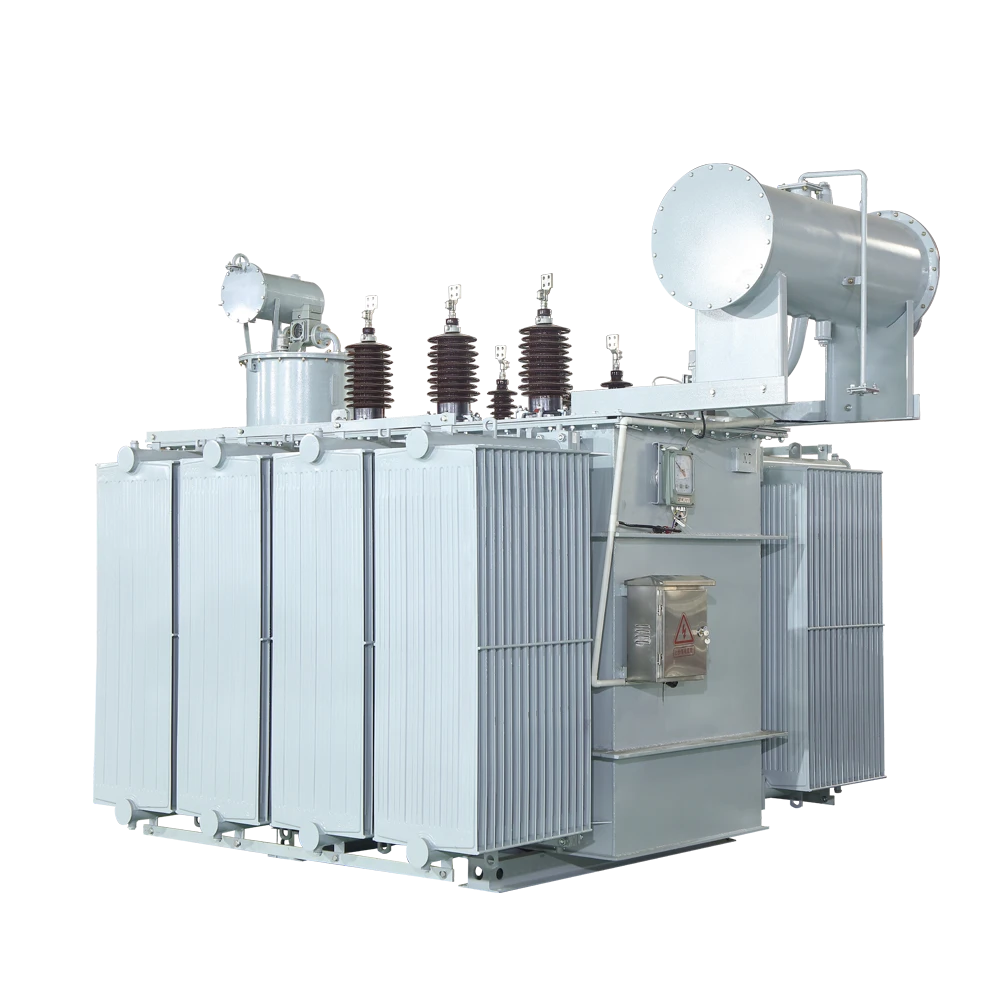
View Dry-Type SeriesAmorphous Alloy Oil-Immersed Transformer
Sealed oil-filled design with an amorphous alloy core, engineered for outdoor substation and distribution service with high dielectric performance.
View Oil-Immersed Series