Compact Substations: The Overlooked Advantage
Behind the Middle East's Solar Boom
The region is adding gigawatts of solar faster than its grid can absorb them. Here's why factory-built compact substations — not panels or inverters — are quietly becoming the difference between a bankable tender and an unbankable one.
Schematic: distributed PV blocks feeding a factory-built compact substation module before export to the transmission grid.
The Middle East added roughly 12.2 GW of new solar capacity in 2025 alone — the largest single-year addition in the region's history — and total installed capacity crossed 30 GW in 2026. What gets far less attention than those headline numbers is the infrastructure that actually gets the power onto the grid, and increasingly, that infrastructure is the bottleneck developers are racing to solve.
The Problem: Grid Infrastructure Is Lagging the Build-Out
Transmission and substation capacity has not kept pace with the speed at which utility-scale solar plants are being commissioned. Developers are increasingly funding their own substations to bridge the gap — an outlay that industry analysis puts at up to 12% of total project capital expenditure. That figure matters enormously in a market where record-low tariffs leave almost no margin for inefficient capital allocation: Saudi Arabia's Round 6 tender closed below 1.1 US cents/kWh, and the UAE's Al Dhafra project set a world-record tariff of roughly 1.35 cents/kWh in 2023.
At the same time, regional interconnection is accelerating. The GCC Interconnection Authority has committed USD 3.5 billion through 2035 to expand 500 kV transmission links, with the Saudi–Iraq tie-line targeted for April 2026. Substations are being asked to do more than connect a single plant to the local grid — they increasingly need to support cross-border dispatch and balancing.
It's rarely the panels that decide whether a tender is bankable. It's what happens to the power the moment it leaves the array.
What a Compact Substation Actually Is
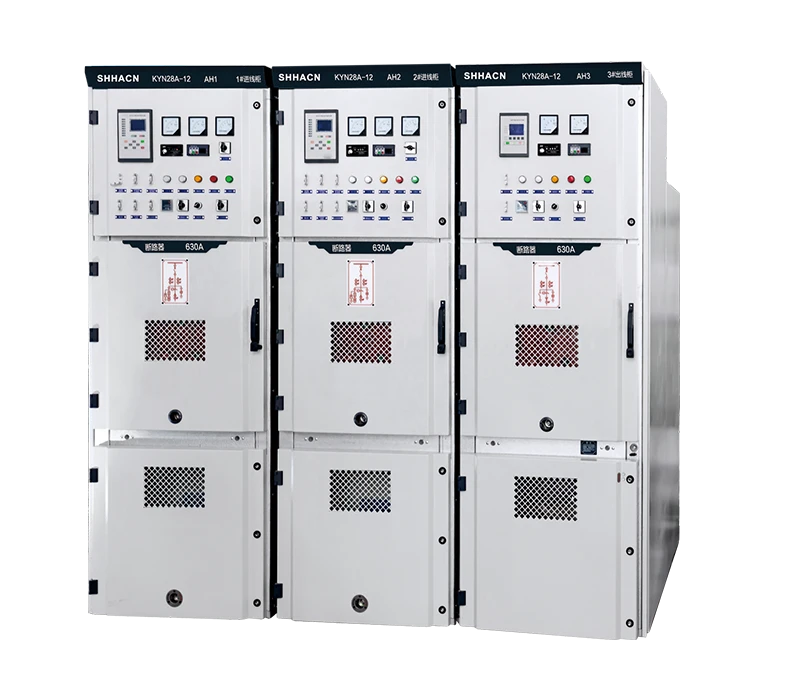
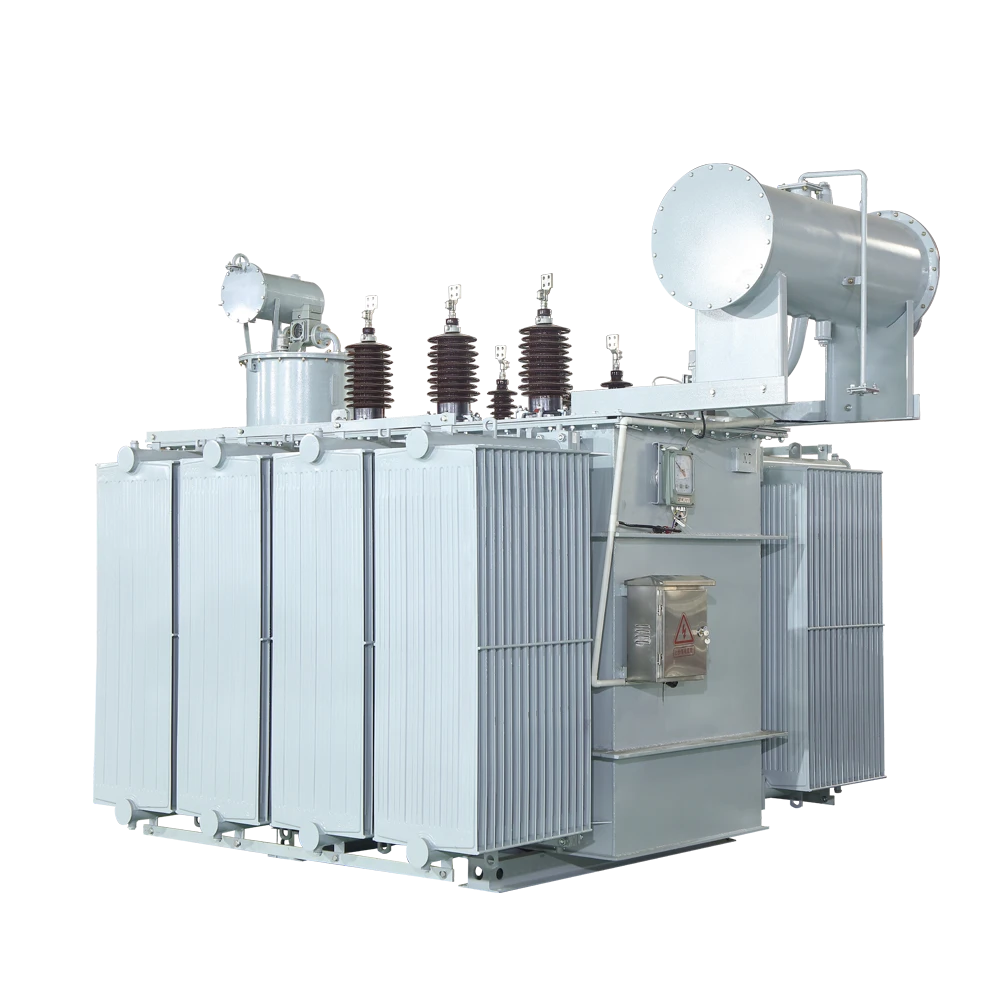
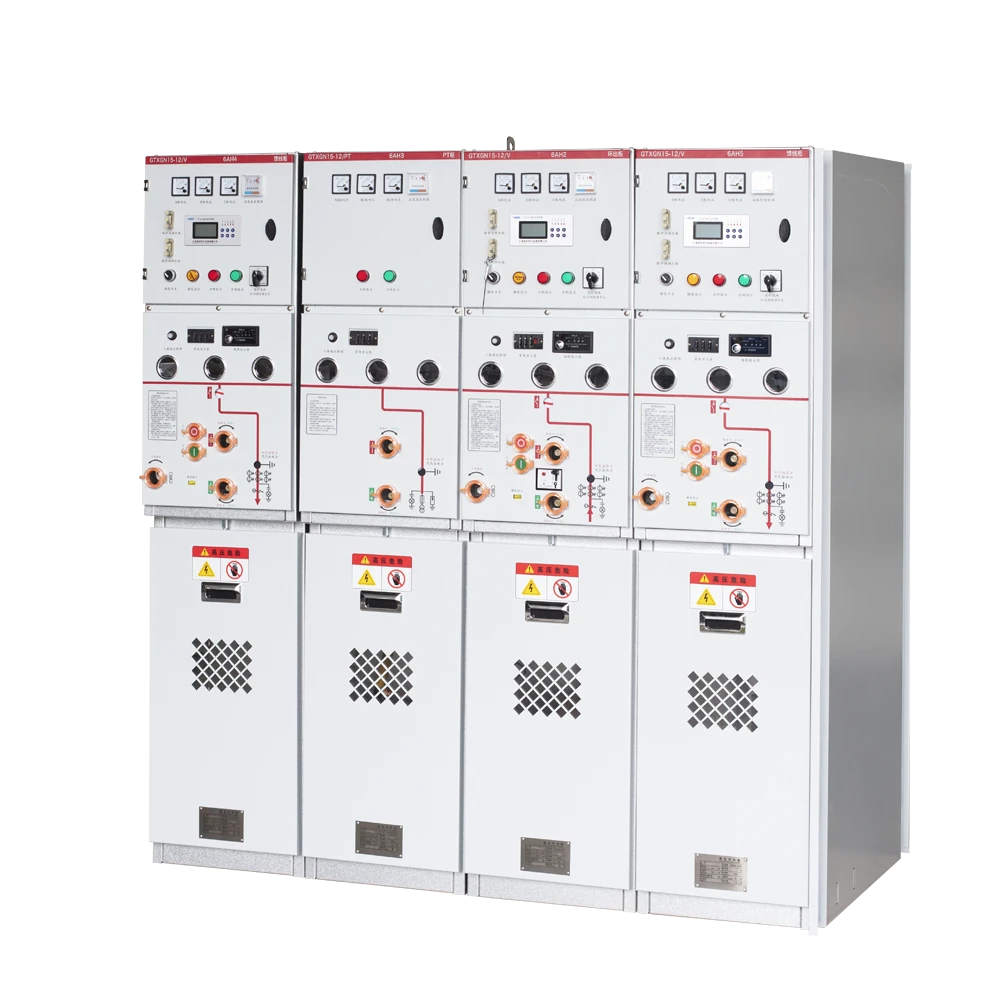
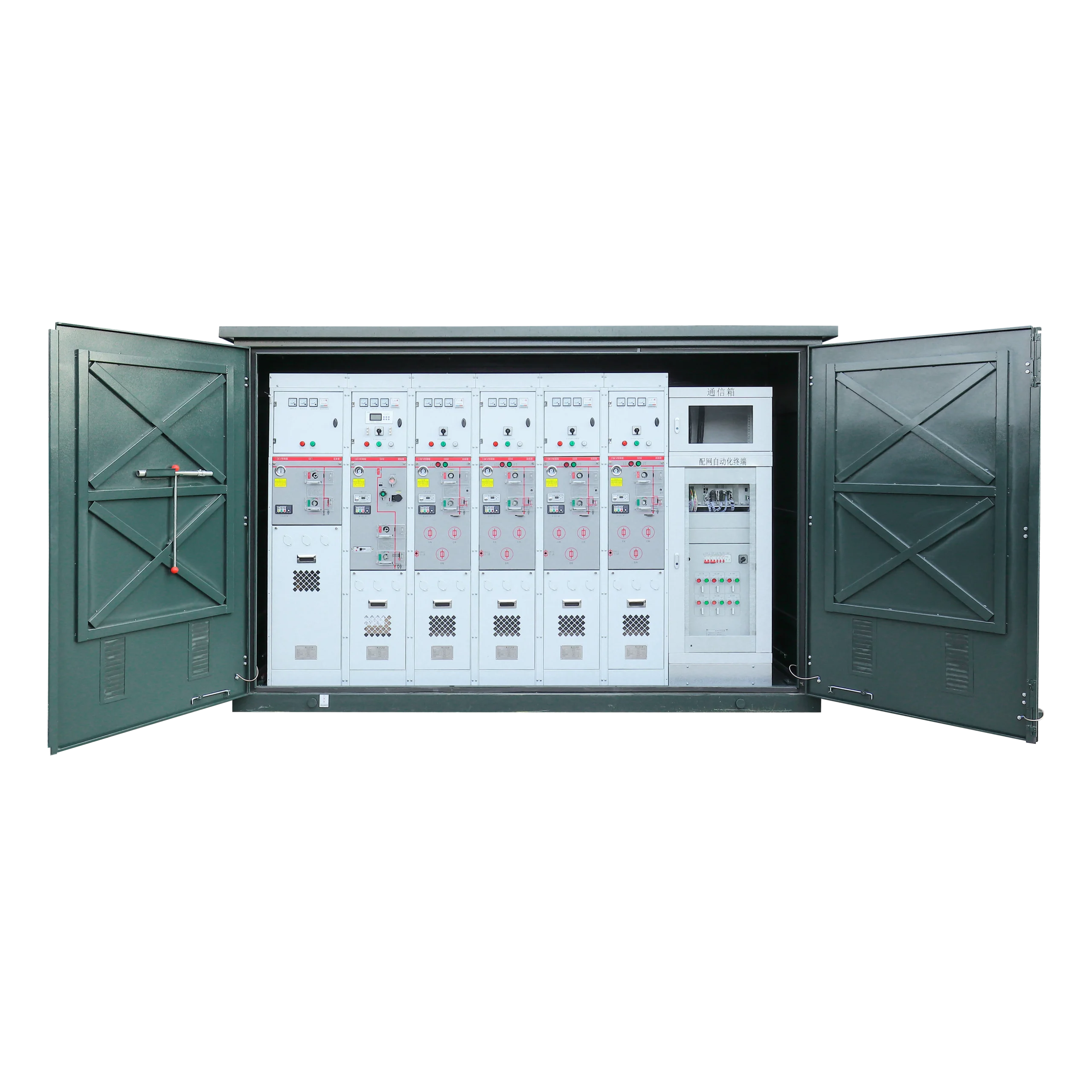
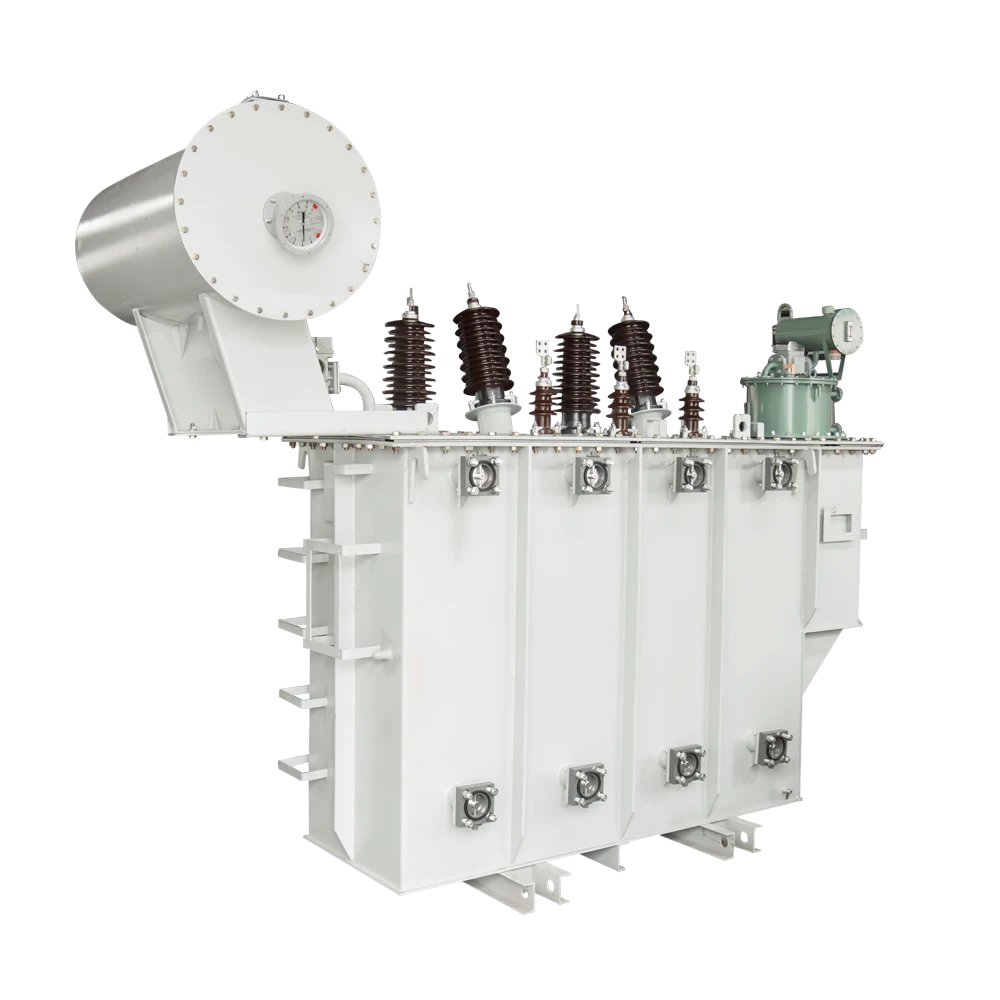
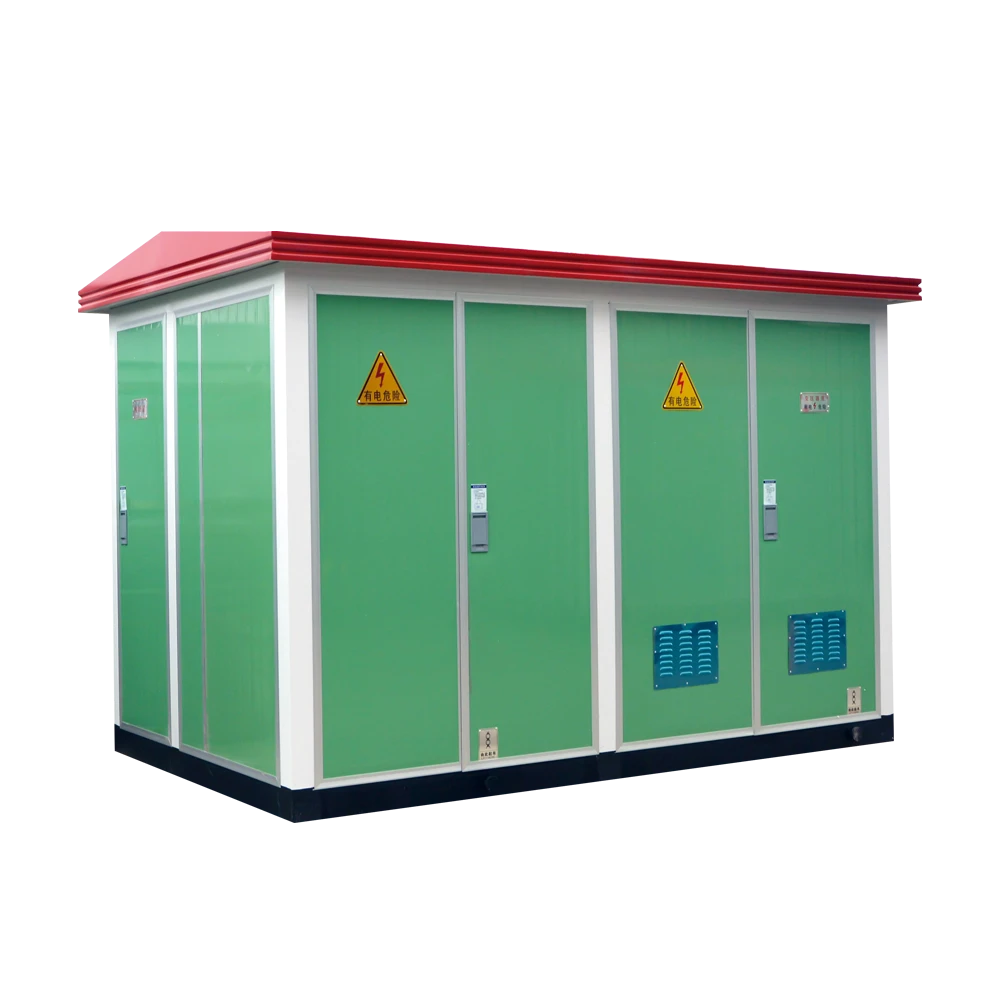
A compact substation integrates transformers, switchgear, protection relays, and SCADA monitoring into a factory-built, largely pre-tested modular enclosure. Most of the assembly, wiring, and testing happens in a controlled manufacturing environment; the unit arrives on site substantially complete and needs only foundation work and interconnection to enter service — a fundamentally different build model from pouring civil works and assembling switchgear in the open desert.
Because compact substations are pre-tested in the factory rather than commissioned piecemeal on site, defect rates typically show up earlier — during factory acceptance testing — rather than after the unit is already energized in the field.
Why Compact Substations Fit Middle East Conditions Specifically
Four constraints show up on almost every Gulf and North African utility-scale project, and compact substation design addresses each one directly.
Land Efficiency
Desert sites look abundant, but every hectare still needs grading and load-bearing preparation. A compact footprint — commonly 40–50% smaller than conventional air-insulated substations — cuts the land that must be prepared and secured.
Climate Engineering
Surface temperatures above 50°C, sandstorms, and coastal salt-fog are standard, not edge cases. Sealed enclosures, active cooling, and corrosion-resistant coatings slow insulation degradation versus open-air equipment.
Faster Construction
Factory pre-assembly typically cuts on-site construction time by 30–50%. In tender-driven markets, faster grid connection means earlier revenue and lower financing cost.
Lower Transmission Losses
Placing substation units closer to the PV blocks shortens cable runs and cuts resistive losses — a measurable gain in delivered energy across a gigawatt-scale plant.
Two more constraints worth engineering around
Localization requirements such as Saudi Arabia's Saudization and the UAE's Emiratisation policies, combined with a genuine shortage of specialized electrical technicians in remote desert locations, put a premium on automation.
Compact substations are typically specified with integrated SCADA, remote condition monitoring, and automated fault detection — enabling reduced-staff or unmanned operation and faster fault response, both of which lower ongoing operating cost.
Unit hardware cost is often comparable to conventional equipment — the case rests on the combination of savings across civil works, land preparation, construction schedule, labor, and transmission losses over the plant's operating life.
In a tariff environment where developers are competing at 1–2 cents/kWh, these compounding, often-overlooked savings can be the difference between a bankable bid and an unbankable one.
Compact vs. Conventional Substations, Side by Side
The comparison holds across most Gulf and North African utility-scale conditions, though exact figures vary by project scale and site.
| Dimension | Conventional Substation | Subestação compacta |
|---|---|---|
| Footprint | Larger graded area; open-air switchgear and separate structures | 40–50% smaller footprint; integrated modular enclosure |
| Construction Timeline | Civil works and on-site assembly dominate schedule | Factory pre-assembly cuts build time by roughly 30–50% |
| Climate Resilience | Open-air exposure to heat, dust, and salt-fog | Sealed, actively cooled, corrosion-resistant enclosure |
| O&M Staffing | Relies more heavily on on-site technicians | Remote SCADA monitoring supports reduced-staff operation |
| Grid Expansion | Expansion typically requires further civil works | Modular units add capacity in stages more easily |
Figures are directional, drawn from industry norms cited in the sources below. Site-specific engineering studies should confirm exact savings for any given project.
What Developers Should Take Away
As regional capacity is projected to more than double by 2031, the infrastructure choices made at the substation level — not just the panels and inverters — will increasingly determine which projects hit their target returns.
Model Lifecycle Cost, Not Just Sticker Price
Compare bids on total cost of ownership — land, schedule, labor, and losses — not just the substation equipment quote.
Verify the Climate Rating
Confirm enclosure sealing, cooling capacity, and coating specifications are rated for the specific site's temperature and dust conditions, not a generic datasheet.
Plan for Staged Expansion
If storage or additional capacity is likely later, confirm the modular design supports incremental add-ons without re-engineering the whole substation.
Check Grid Interconnection Readiness
As GCC cross-border links expand, confirm the substation's protection and communication architecture is compatible with regional dispatch requirements, not just the local utility today.
Haocheng Compact Substation Solutions
Factory-built, climate-rated compact and prefabricated substation packages for utility-scale solar, industrial, and renewable energy projects across the Middle East, Africa, Central Asia, and Southeast Asia.