IEEE C57 vs. IEC 60076: Key Differences in Transformer Design & Testing
Both standards agree on the physics. They disagree on the reference conditions, the way tests are grouped, the tolerance fine print, and the regulatory overlay — and a transformer built strictly to one rarely satisfies the other without deliberate adjustment.
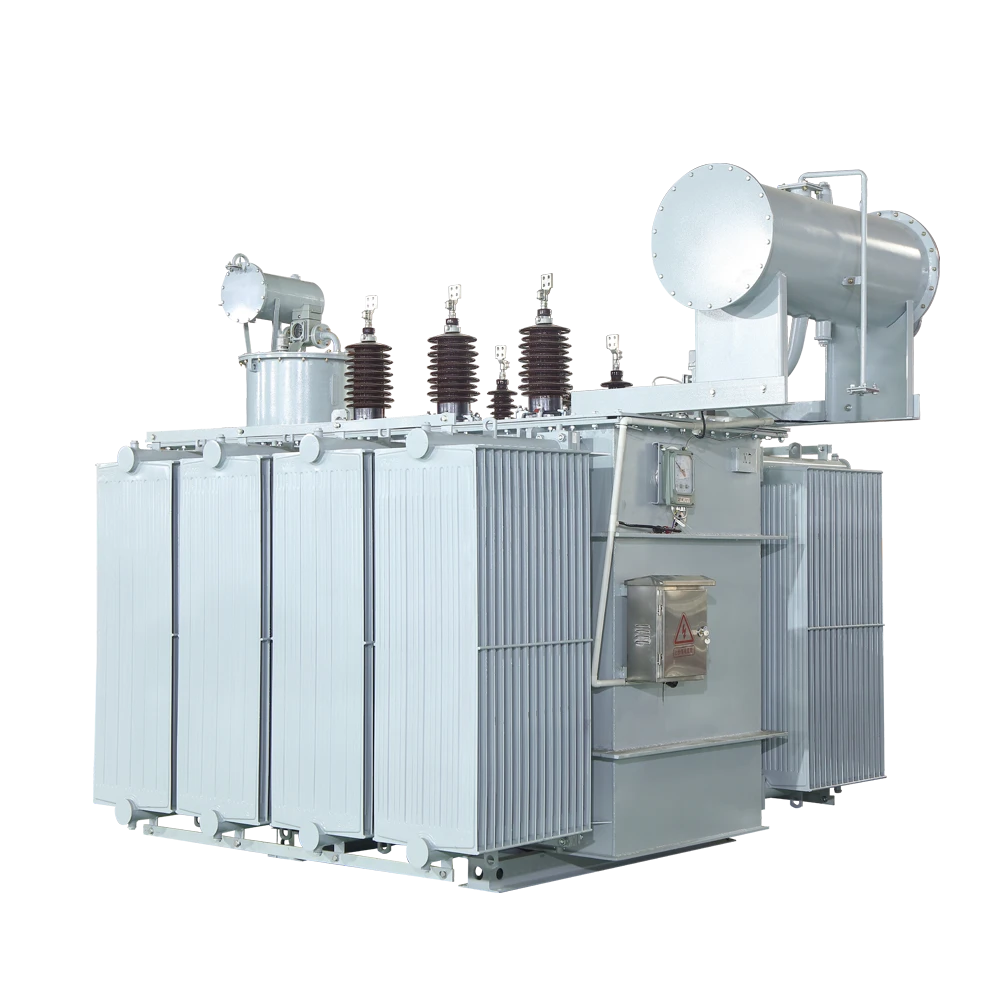
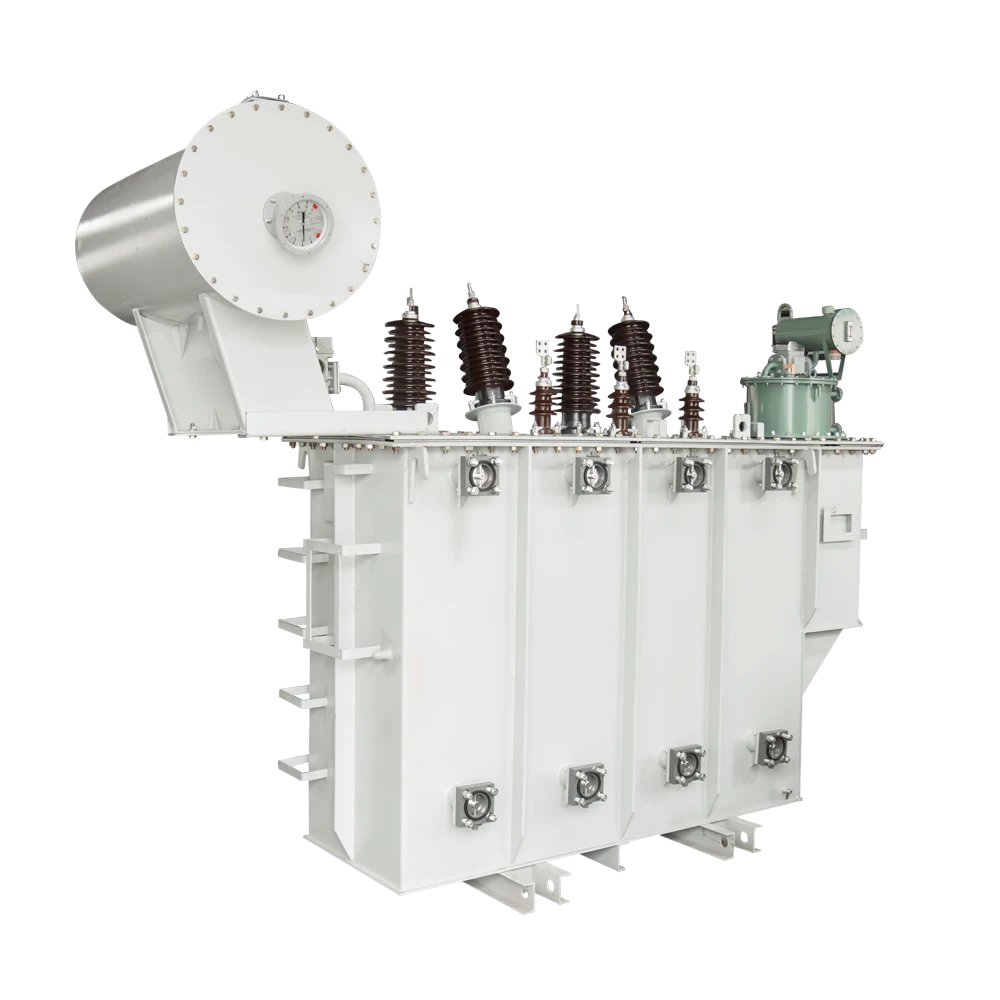
The same machine, described through two engineering cultures — North American IEEE C57 and international IEC 60076.
If you have ever sat in a design review where a European utility and a North American EPC contractor were both looking at the same transformer spec, you know the problem. One side keeps quoting C57.12.00. The other keeps pointing at 60076-1. And the transformer between them has to satisfy both. These two standards are not two ways of saying the same thing — they agree on the physics and disagree on almost everything around it.
Same Machine, Two Engineering Cultures
IEEE C57 is the North American family of transformer standards (published by IEEE, historically under the ANSI umbrella), dominant in the US, Canada, and much of Latin America. IEC 60076 is the international series used across Europe, most of Asia, Africa, the Middle East, and Australia. Both cover the same equipment — but they differ in reference temperatures, ambient assumptions, insulation-level tables, test grouping, tolerance bands, sound limits, and efficiency regimes.
The failures I have watched happen were almost never a technical impossibility. They came from someone assuming the two standards meant the same thing because a number matched on the surface.
Six Places the Two Standards Actually Diverge
Worked through in the order they tend to surface on a real project — starting with how each standard is structured, then the assumptions baked into the numbers, then how a transformer is proven acceptable before it ships.
IEC 60076 is a numbered series — 60076-1 (general), -2 (temperature rise), -3 (insulation levels), -5 (short circuit), -7 (loading guide), -10 (sound). IEEE C57 has its own logic — C57.12.00 (general requirements), C57.12.90 (test code), C57.91 (loading guide), the C57.19 bushing series, and more.
"Build it to IEC" or "build it to IEEE" is the start of the conversation, not the end. You need the specific part and — because both bodies revise on a rolling basis — the edition year. A decade-old clause and a current one are not always the same requirement.
Both standards commonly allow a 65 °C average winding rise for a modern oil-immersed unit with thermally upgraded insulation. The divergence is underneath: IEC 60076-2 references a ~40 °C maximum, ~30 °C monthly-average, and ~20 °C yearly-average ambient, while IEEE C57.12.00 references 40 °C maximum with a 24-hour average not exceeding 30 °C.
That gap feeds directly into loading and ageing calculations. The same nameplate rise gives different real-world thermal headroom depending on which loading guide — 60076-7 or C57.91 — you apply.
IEEE practice for a 65 °C-rise unit typically refers load losses to 85 °C; IEC typically refers them to 75 °C. Because winding resistance climbs with temperature, the same physical transformer reports a slightly different guaranteed load loss depending on which reference you correct to.
When you compare two vendor quotes and one used IEC and one used IEEE, you are not comparing like for like until you normalise this. I have seen a "worse" transformer win once the numbers were put on a common basis.
IEC 60076-1 sorts tests into routine (every unit), type (one unit qualifies the design), and special (by agreement). IEEE C57.12.90 uses a comparable but not identical split — routine, design, and other tests.
The categories rhyme, but the contents don't map one-to-one, and the triggers for special/other tests differ. Write "all IEC routine tests" against a vendor whose default plan is built on IEEE routine tests, and you can pay extra for tests you assumed were included — or find the gap at factory acceptance, too late to renegotiate cheaply.
IEEE publishes BIL tables tied to North American voltage classes; IEC 60076-3 publishes withstand-voltage sets tied to the highest voltage for equipment (Um). The two overlap at some classes and diverge at others, because the underlying voltage ladders differ. Partial discharge also tends to control acceptance earlier in IEC practice for higher-voltage units.
Impedance tolerance sits around ±7.5% for two-winding units in both — similar enough to feel interchangeable, different enough in the fine print to bite on a parallel-operation project. If two units run in parallel, specify impedance tolerance to a single standard.
Sound is governed by IEC 60076-10 internationally, and historically by NEMA TR-1 alongside the IEEE framework in North America — so a guaranteed dB figure needs its standard named next to it. Efficiency diverges most sharply: US distribution units answer to DOE rules, EU units to the EcoDesign Tier 1 / Tier 2 maximum-loss limits.
These are legal market-access requirements layered on top of C57 or 60076. A transformer can fully comply with the design standard and still be illegal to sell in a market because it misses the local efficiency floor. Check the efficiency regulation separately from the design standard — different authorities, different reasons.
Referência rápida lado a lado
What actually changes between the two frameworks across the parameters that end up in a purchase specification.
| Topic | IEEE C57 (North American) | IEC 60076 (International) |
|---|---|---|
| Region | US, Canada, much of Latin America | Europe, Asia, Africa, Middle East, Australia |
| Structure | C57 family (C57.12.00, .12.90, .91, .19) | 60076 series (‑1, ‑2, ‑3, ‑5, ‑7, ‑10, ‑11) |
| Ambient reference | Max 40 °C; 24-hr average ≤ 30 °C | Max ~40 °C; monthly ~30 °C; yearly ~20 °C |
| Avg winding rise | 65 °C (thermally upgraded insulation) | 65 °C |
| Loss reference temp. | ~85 °C for 65 °C-rise class | ~75 °C |
| Test categories | Routine / Design / Other | Routine / Type / Special |
| Insulation levels | BIL tables on NA voltage classes | Withstand levels tied to Um |
| Impedance tolerance | ~±7.5% (two-winding) | ~±7.5%, tapping- & magnitude-dependent |
| Sound | NEMA TR-1 (alongside IEEE) | IEC 60076-10 |
| Efficiency regime | DOE (US) | EU EcoDesign Tier 1 / Tier 2 |
| Loading guide | C57.91 | 60076-7 |
Exact clause values change between editions — treat this as an orientation map, not a substitute for the current published standard. For any binding specification, work from the current edition of the relevant part.
Perguntas frequentes
Which standard is stricter?
Neither uniformly. IEC is tighter on some PD and dielectric expectations for high-voltage units; IEEE imposes conditions IEC leaves optional. "Strictness" depends on the specific clause and rating, not the standard as a whole.
Can one unit meet both?
Yes, but only by design intent. The maker builds to the more demanding requirement on each parameter and documents dual compliance. It costs more and must be specified up front — not declared after the fact.
Why does 65 °C behave differently?
The rise limit is measured against an assumed ambient, and the two standards assume different averages. The same 65 °C gives different loading headroom under IEC's lower yearly-average basis than under IEEE's.
Do loss guarantees change?
Effectively yes. IEEE and IEC correct losses to different reference temperatures (~85 °C vs. ~75 °C), so the guaranteed figure for the same unit shifts. Confirm the reference before comparing quotes.
Name the Standard, the Part, the Year — Then Normalise Everything
IEEE C57 and IEC 60076 describe the same machine through two engineering cultures. Name the standard, name the part, name the edition year, and put every guaranteed value on a common basis before you compare anything. Do that, and a dual-standard transformer job stops being a translation problem and goes back to being an engineering one.